

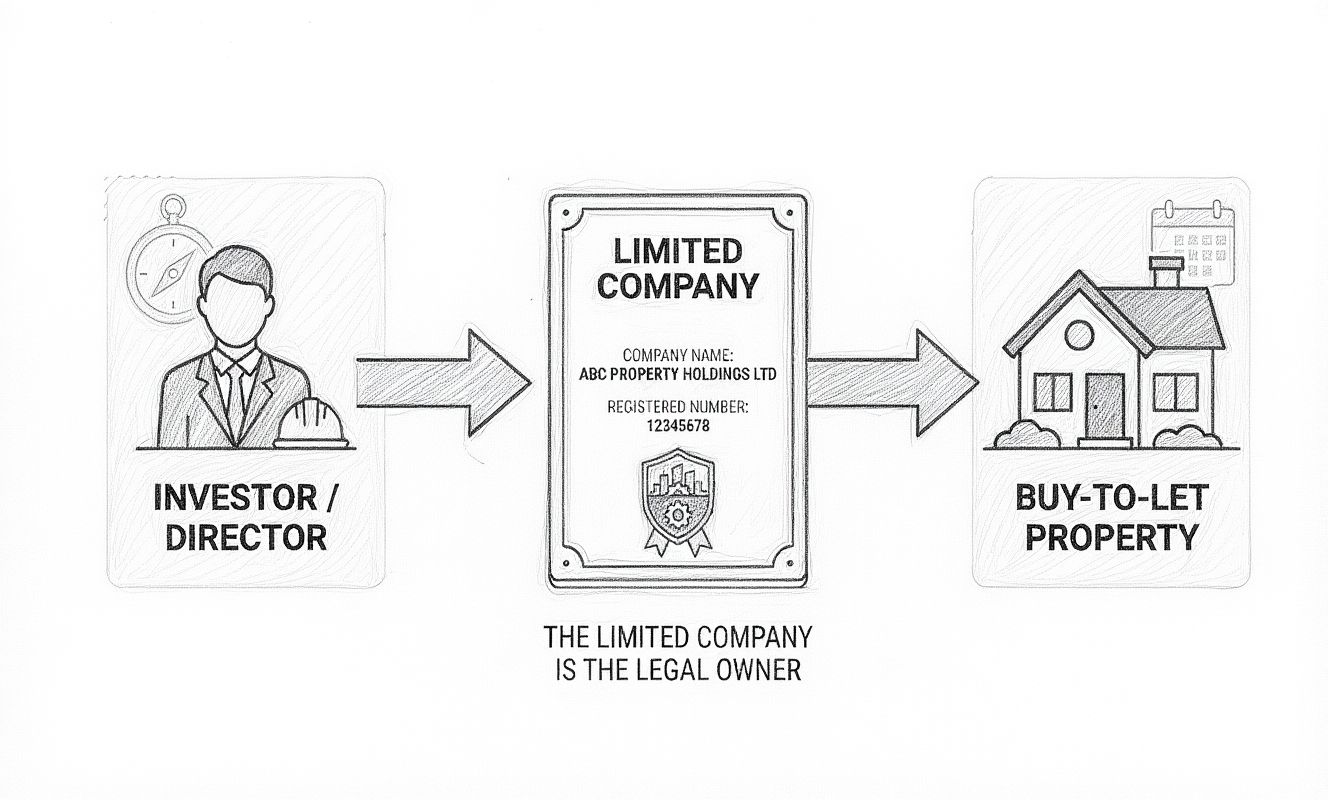
If you own rental property through a limited company, you’ve probably discovered something frustrating: general accountants often don’t know the specific rules that apply to residential landlords. Property tax has its own maze of rules, and getting them wrong can cost you thousands or trigger an HMRC enquiry years down the line. That’s where working with a dedicated property accountant in Kent makes all the difference.
Here’s what a specialist property accountant in Kent looks at differently, explained without the jargon.
Is a rental property company “trading” for tax purposes?
No. If your company’s only activity is buying residential property and renting it out for income, HMRC treats this as a property business, not a trade. It sounds like a small distinction, but it changes almost everything about how you prepare your accounts and tax return.
This matters especially when things go wrong on a return. We’ve seen cases where a previous accountant treated everything as if the company were trading, put the properties in the wrong category, and even carried forward losses labelled as “trading losses” when they were really property losses. The good news is that under current rules, you can usually use both types of loss in similar ways. But mislabelling still raises red flags if HMRC ever asks questions, and it can cause real problems with older losses that follow stricter rules.
How should you show investment properties in company accounts?
If you hold properties purely to earn rental income, you should usually show them on the balance sheet as “investment property” and not as ordinary fixtures, fittings, or “land and buildings” alongside other business assets. This isn’t just a labelling exercise. It changes how you value the properties each year (at fair/market value rather than writing them down through depreciation), and it changes how you report any increase in value.
A common mistake we see: a company values its properties upward each year and runs the increase through the accounts as if it were taxable profit. In most cases, not until you actually sell. Getting this right in the accounts avoids overstating your tax bill, and avoids uncomfortable questions if anyone reviews the figures later.
Do you pay tax on a property revaluation?
Not immediately. When residential property increases in value, that gain typically doesn’t create an immediate corporation tax bill. You only pay tax when you sell the property. However, current accounting rules require you to set aside a provision for the deferred tax you’ll eventually owe, even though no cash tax is due yet. This is one of the areas landlords are most likely to miss without proper property accounting guidance, because it affects your company’s reported profit and balance sheet position before you even sell any property.
What capital allowances can a residential landlord claim? (A property accountant in Kent explains)
Fewer than most landlords expect on the properties themselves, but more than most realise on everything else.
Items inside a let residential property like kitchens, bathroom fittings, carpets, and appliances generally do not qualify for capital allowances. This surprises a lot of people, because commercial landlords get much more generous treatment. Instead, residential landlords can usually claim a deduction when they replace items like furniture or appliances, rather than when they first buy them.
Items your company buys to actually run the business, like a laptop, a tablet, or office equipment, fall into a completely different category and normally qualify for full tax relief in the year of purchase through the Annual Investment Allowance. We regularly see landlords assume that because their properties get no capital allowances, nothing they buy does either. That’s not true, and it’s worth checking every year what genuinely qualifies.
Do you pay tax on rental income and bank interest the same way?
No. If your company holds spare cash and earns bank interest, you need to report and tax that income separately from your rental profits. It sounds minor, but keeping these income streams correctly separated in your accounts and tax computation matters. This is especially important if your company has brought-forward losses, since getting the categories right determines how you can use those losses against different income streams.
Why do property companies need a specialist property accountant?
None of the issues above is exotic or unusual, as any company holding residential rental property runs into them regularly. But they sit in a genuinely tricky corner of accounting and tax law, one that changes periodically (lawmakers and standard-setters have updated capital allowances rules, loss relief rules, and deferred tax requirements several times in recent years). A general accountant who mostly deals with retail businesses or contractors may simply not encounter these rules often enough to stay on top of them, which is exactly why a dedicated property accountant in Kent, who handles nothing but rental companies, tends to catch these issues before they become expensive.
Getting it wrong doesn’t always cause an immediate problem. But, it tends to surface later, either as an inflated tax bill, a messy set of brought-forward figures, or awkward questions during an HMRC enquiry.
Find a property accountant in Kent
Working with an accountant who specifically understands residential property companies and how to classify the properties correctly, how to handle revaluations and deferred tax, what qualifies for capital allowances, and how to keep your loss position clean takes the guesswork out of your annual accounts and corporation tax return.
If you’re a landlord or property investor based in Kent and want a specialist to handle your company’s accounts, it’s worth having a conversation before your next filing deadline rather than after a problem shows up.
Get in touch with Taxacc Solutions for straightforward, specialist support with your property company’s accounts and tax.

