Running a limited company in the UK brings many responsibilities, and preparing company accounts sits right at the top of that list. Yet, many directors still find accounts confusing, technical, and overwhelming.
This guide explains company accounts from start to finish. You will learn what company accounts are, why they matter, what they include, how professionals prepare them, and what happens once you file them. Whether you have just incorporated or already run an established company, this guide will give you clarity, confidence, and control.
What Are Company Accounts?
Company accounts, often called statutory accounts or annual accounts, summarise a company’s financial performance and position over a specific accounting period, usually 12 months.
They clearly show:
-
How much income the company generated
-
Whether the company made a profit or a loss
-
What the company owns and what it owes
-
How financially stable the business is
In the UK, every limited company must prepare company accounts, regardless of size or activity. Even if your company made no profit, carried out no trading, or remained dormant, the law still requires accounts.
Why Company Accounts Matter
Company accounts do far more than satisfy a legal obligation. In practice, they play several vital roles.
First, legal compliance
Companies must submit accounts to Companies House and use them to support Corporation Tax calculations for HMRC.
Secondly, tax accuracy
Accounts form the foundation of your Corporation Tax Return. Without accurate accounts, tax calculations become unreliable and risky.
Moreover, financial insight
Well-prepared accounts reveal whether your business model works and highlight areas that need improvement.
In addition, credibility
Banks, lenders, investors, and suppliers rely on accounts to assess financial strength.
Finally, director responsibility
Although accountants prepare the accounts, directors remain legally responsible for their accuracy.
Who Must Prepare Company Accounts?
In short, all UK limited companies must prepare accounts, including:
-
Trading companies
-
Non-trading companies
-
Dormant companies
-
Property companies
-
Charities and CICs
-
Special Purpose Vehicles (SPVs)
By contrast, sole traders and partnerships do not prepare company accounts. Instead, they prepare business accounts as part of their personal tax returns.
What Period Do Company Accounts Cover?
Company accounts cover an accounting period, which usually lasts 12 months.
Typically:
-
The first period starts on incorporation
-
It ends on the accounting reference date (ARD)
For example:
-
Incorporation date: 10 May 2024
-
First year end: 31 May 2025
Although the first period can last up to 18 months, most companies then move to standard 12-month periods.
What Do Company Accounts Include?
A complete set of company accounts contains several key components. Together, they give a full picture of the company’s financial health.
Profit and Loss Account (Income Statement)
The Profit and Loss Account (P&L) shows how the company performed during the year.
It includes:
-
Turnover
-
Cost of sales
-
Gross profit
-
Operating expenses
-
Net profit or loss before tax
As a result, the P&L clearly answers one essential question: did the company make money?
However, directors often misunderstand profit. Profit does not equal cash, and high turnover does not automatically mean success. Therefore, reading the P&L in context is critical.
Balance Sheet (Statement of Financial Position)
The Balance Sheet shows the company’s financial position on a single date i.e. the year end.
It sets out:
-
Assets (what the company owns)
-
Liabilities (what the company owes)
-
Equity (shareholder and retained funds)
Typical balance sheet items
Assets
-
Bank balances
-
Trade debtors
-
Equipment
-
Stock
Liabilities
-
Trade creditors
-
VAT payable
-
Corporation Tax payable
-
Loans
Equity
-
Share capital
-
Retained profits
Because the balance sheet balances assets against liabilities and equity, it immediately shows whether the company is solvent.
Cash Flow Statement (Where Required)
Larger companies must include a cash flow statement, although most small companies qualify for exemption.
This statement explains:
-
How cash flows from operating activities
-
How much the company invests
-
How it finances its operations
Consequently, it highlights cash pressures that profit figures alone may hide.
Notes to the Accounts
The notes support and explain the figures in the accounts.
They cover:
-
Accounting policies
-
Fixed asset movements
-
Director remuneration
-
Average employee numbers
-
Related party transactions
Although many directors overlook them, notes are essential for transparency and compliance.
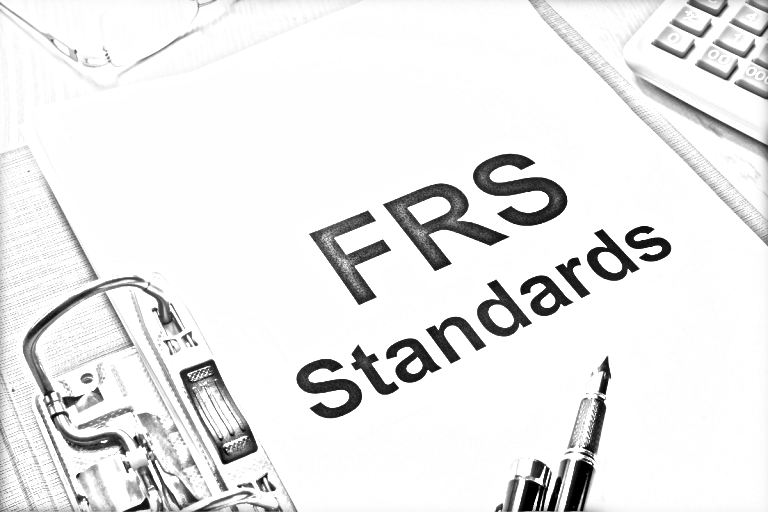
Accounting Standards Used in the UK
UK companies must prepare their company accounts under recognised standards.
FRS 105
Used by micro-entities. It offers simplicity and minimal disclosure.
FRS 102 Section 1A
Used by most small companies. It balances simplicity with meaningful disclosure.
Full FRS 102 or IFRS
Used by larger or more complex businesses.
Choosing the correct standard matters because it affects disclosures, tax treatments, and how users interpret the accounts.
Company Size Thresholds
Company size determines reporting obligations.
Micro-entity
-
Turnover ≤ £632,000
-
Balance sheet ≤ £316,000
-
≤ 10 employees
Small company
-
Turnover ≤ £10.2m
-
Balance sheet ≤ £5.1m
-
≤ 50 employees
As companies grow, reporting requirements increase accordingly.
Director Responsibilities
Even when accountants prepare the accounts, directors remain legally responsible.
Directors must:
-
Maintain proper records
-
Approve the accounts
-
File accounts on time
-
Ensure accuracy
Failure to meet these duties can lead to penalties, reputational damage, or disqualification in serious cases.
Records You Must Keep to Prepare your Company Accounts
To prepare accurate company accounts, companies must keep:
-
Sales and purchase invoices
-
Bank statements
-
Expense receipts
-
Payroll records
-
VAT records
Generally, companies must retain records for at least six years.
Key Accounting Adjustments in Company Accounts
Accounts require adjustments to reflect reality rather than cash timing.
Common adjustments include:
-
Accruals
-
Prepayments
-
Depreciation
-
Corporation Tax provisions
As a result, accounts show the true financial position rather than just bank balances.
Company Accounts vs Corporation Tax
Many directors confuse accounting profit with taxable profit.
In practice:
-
Company Accounts calculate accounting profit
-
The Corporation Tax Return adjusts this figure
Adjustments may include disallowed expenses, capital allowances, or loss relief. Therefore, accounts always come first.
Filing Deadlines
Companies House
-
First accounts: within 21 months of incorporation
-
Ongoing accounts: within 9 months of year end
HMRC
-
Corporation Tax payable: 9 months + 1 day after year end
-
CT return due: 12 months after year end
Missing deadlines leads to penalties and increased scrutiny.
Late Filing Consequences
Late filing of company accounts results in:
-
Automatic fines
-
Public late filing records
-
Increased compliance risk
If accounts are late two years in a row, penalties double.
Dormant Company Accounts
If a company carries out no significant transactions, it may qualify as dormant.
Dormant accounts:
-
Include only a balance sheet
-
Remain legally required
-
Still must be filed on time
“No activity” does not mean “no responsibility.”
Public Record and Filleted Accounts
Accounts filed at Companies House become public.
However, small companies can file filleted accounts, which remove:
-
The profit and loss account
-
Sensitive detail
HMRC still receives the full version.
Accounting Software for Company Accounts
Software such as Xero, QuickBooks, and FreeAgent helps with bookkeeping and reporting.
However, software cannot replace:
-
Professional judgment
-
Compliance knowledge
-
Strategic planning
Therefore, most companies still rely on accountants for statutory accounts.
Management Accounts vs Statutory Accounts
Management accounts:
-
Internal
-
Regular
-
Decision-focused
Statutory accounts:
-
Annual
-
Legal
-
Filed externally
Both serve different but equally important purposes.
Common Director Mistakes in Company Accounts
Directors often:
-
Mix personal and company finances
-
Miss deadlines
-
Misunderstand director loan accounts
-
Assume software handles everything
These mistakes usually cost more to fix later.
Should You Use an Accountant to prepare your company accounts?
Although the law allows self-preparation, most directors benefit from professional support.
An accountant:
-
Ensures compliance
-
Identifies tax efficiencies
-
Prevents costly errors
-
Provides clarity
In most cases, the value far exceeds the cost.
Using Accounts for Planning
Good accounts help directors:
-
Plan dividends
-
Manage cash flow
-
Support funding applications
-
Prepare for growth or exit
Therefore, accounts are forward-looking tools—not just historical records.
Final Thoughts
Company accounts form the backbone of a compliant and successful limited company.
When prepared properly, they deliver:
-
Legal protection
-
Financial clarity
-
Tax efficiency
-
Peace of mind
Understanding your accounts puts you back in control of your business.
)
&description=&image=https://taxacc.co.uk/wp-content/uploads/2025/12/Company-Accounts.png)